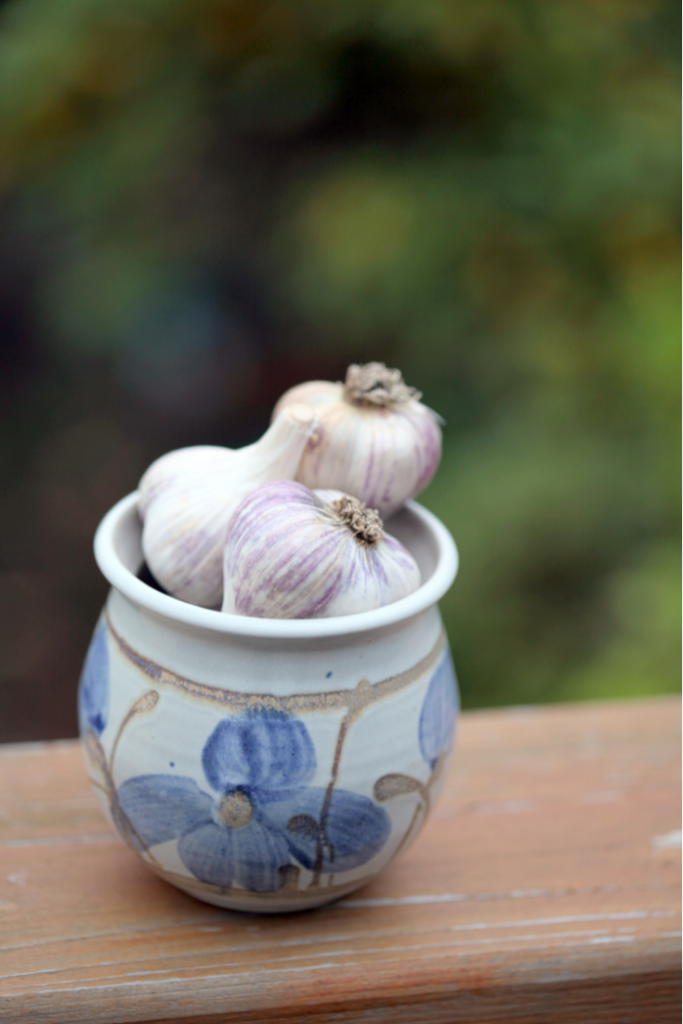
Essential Care Tips for Garlic Health Benefits: Boost Immunity & Heart Health
Proper garlic health benefits: boost immunity & heart health care requires attention to several key factors. Whether you're a beginner or an experienced gardener, these guidelines will help your flowering plants thrive.
Light Requirements
Most flowering plants thrive in well-lit areas with proper sunlight exposure. Monitor your plant's light needs based on its specific variety.
Watering Schedule
Maintain consistent moisture levels without overwatering. Test soil moisture before watering and adjust based on seasonal conditions.
Soil Quality
Use well-draining soil rich in organic matter. Consider getting your soil tested annually to ensure optimal nutrient levels.
Seasonal Care
Adjust care routines based on seasonal changes. Many flowering plants have different requirements during active growth, blooming, and dormancy phases.
Detailed Growing Guide
Garlic is a great reminder that we eat herbs not just for flavour, but for medicine. Pungent in smell and useful in the garden, there are many garlic health benefits for us as well. Here’s how garlic can help you, and a few recipes to harness that pungent power. When we think of garlic, the word herb doesn’t usually come to mind.
It’s somewhere between a vegetable and a spice, something that gives flavour to our food. In reality, garlic is known in the herbal world as a verypowerful antioxidant, anti-inflammatory, antibacterial, and antifungal. Just think about how we use it in the garden. We use it torepel pestswith its pungent aroma, as its strong smell helps to mask the appeal of surrounding plants.
And when you go out and plant the bulbs orharvest the garlic scapes, your hands can quickly smell like garlic for the rest of the day. This strong aroma works hard in our body as well, as the sulphuric compounds provide a range of health benefits.It’s as powerful for us as it is out in the garden. Let me show you! There are around 1,000 species in theAlliumgenus, including cultivated garlic,Allium sativum.Originally native to central Asia, it has quickly been used all over the world as an all-around herb.
Garlic has been used medicinally for over 7,000 years,with traces of the plant found in paleolithic caves. Egyptians and Greeks both used it to strengthen the work capacity of their workers and slaves, helping to reduce fatigue. Of course, we all know it as the thing vampires hate most. And it might not just be the garlic breath!
As aflower essence,garlic is known for providing vitality and resistance to adverse energy.Garlic gets rid of that bad juju, vampires included. I won’t go into the details about how to grow garlic in this post, but you can find all my tips and tricks, including timing, in mygarlic growing guide. Garlic is one of the most well-researched medicinal herbs, if its popularity in modern-day cooking isn’t an indicator enough. It’s known to have great effects on the cardiovascular, digestive, and respiratory systems, as well as the liver.
Most of that comes from theallicin constituent, the sought-after part of garlic. The aromatic compounds of garlic candilate blood vessels, helping to boost circulation and prevent clotting. It’s known forreducing blood pressure, so those with high blood pressure can benefit from including garlic as a daily part of their diet. It’s also known to prevent atherosclerosis, the hardening of arteries.
If you’ve had a garlic-heavy meal, you may have noticed how it gets your guts moving and grooving.Garlic brings heat and vitality to the digestive system.It’s incredibly nutritious, providing manganese, selenium, fibre, and Vitamin C and B6, as well as antioxidants. Garlic works as an ally in fighting the bacterium H. pylori alongside antibiotics, helping to increase antibiotic treatment by over 30%. It’s also beentraditionally used to kill worm parasites.
Daily consumption of garlic is proven tolower serum cholesterol levels, and maybe even triglyceride levels. It can even promote HDL, AKA good cholesterol,improving overall liver function. And if the liver is working well, you can also expect a more stable blood sugar level. Garlic is often used at the beginning stages of a cold or flu to help prevent it from developing worse.
It’s known to have a whopping 18 antiviral and antibacterial substances.When used as animmune stimulant, it can help to fight viruses, bacteria, yeast, worms, and fungi. Garlic is used as an expectorant, removing phlegm. The volatile oils in garlic are excreted through the lungs, aiding with respiratory infections. Like any herb, there are periods of my life where I don’t eat garlic because my immune system is already reactive.
I have an autoimmune disorder, so when I stick garlic in there, I can react to it and notice some stomach issues. In reality, I don’t need garlic as much as other people may. Other times, when I’m feeling run down and in need of some nourishment and strength, I will reach for it.It’s such a powerful herb that I take it gently! In nature, garlic will release its highly sought-after sulphur compounds and allicin when it is disturbed by wildlife.
To release it in your kitchen,you must chop or crush the garlic. Then, it’s important tolet it oxidize for 3-5 minutes before you ingest it.The oxygen helps to activate the compounds. It’s important to note that heat will stop the process. Popularized by herbalist Rosemary Gladstar, fire cider has becomea tonic that many people rely on daily during the cold and flu season.
The tonic is an infused preparation of apple cider vinegar, honey, garlic, onion,ginger, and more. It works as a decongesting tonic as well as a digestion aid. FindRosemary’s recipe for fire cider here. Garlic honey is one of my favourite ways to harness the power of garlic.
I’ve made it for a few years when I thought I needed a boost, andit tastes so delicious.It’s a great staple to have on hand during the winter months. Like the fire cider, fermented garlic honey works asan immune booster.You can also use it in your cooking, because it’s that tasty, as a sauce or marinade. Here is arecipe and instructionson how to make fermented honey garlic from Colleen over at Grow Forage Cook Ferment. This refers to how long you’re supposed to let garlic sit after you chop or crush it to ingest it.
In reality, you only need about 3-5 minutes to allow the garlic to oxidize and form the compounds that provide the health benefits. Avoid using garlic if you’re on blood thinners or have a bleeding disorder. It should also be avoided two weeks before and after surgery.It’s also an immune booster, so those with autoimmune disorders should be cautious about when they choose to ingest garlic.Always ask your doctor before using any herbs for their medicinal purposes. Besides bad breath?
Garlic can affect the ability to clot blood, since it works to open blood vessels. It’s also a warming food, so it can irritate the digestive system in high doses, causing gas and nausea. A city girl who learned to garden and it changed everything. Author, artist, Master Gardener.
Better living through plants.
Common Problems and Solutions
Learn to identify and address common issues that may affect your garlic health benefits: boost immunity & heart health:
🐛 Pest Management
- Identify common pests affecting your plants
- Implement organic treatment methods first
- Use beneficial insects as natural predators
- Maintain plant health to prevent infestations
🍃 Disease Prevention
- Practice proper plant spacing for air circulation
- Remove diseased plant material promptly
- Water at the base to avoid foliage wetting
- Rotate crops to prevent soil-borne diseases