Garden Design Inspiration: Winterize a Garden: How to Protect Plants from Frost & Snow
Transform your outdoor space with thoughtful design principles. Whether you're starting from scratch or redesigning an existing garden, these ideas will help create a beautiful and functional landscape.
✨ Design Elements
Consider the fundamental elements of garden design including color, texture, form, and scale when planning your space.
🔄 Layout Planning
Create a cohesive layout that considers traffic flow, focal points, and seasonal interest throughout the year.
Implementation Guide
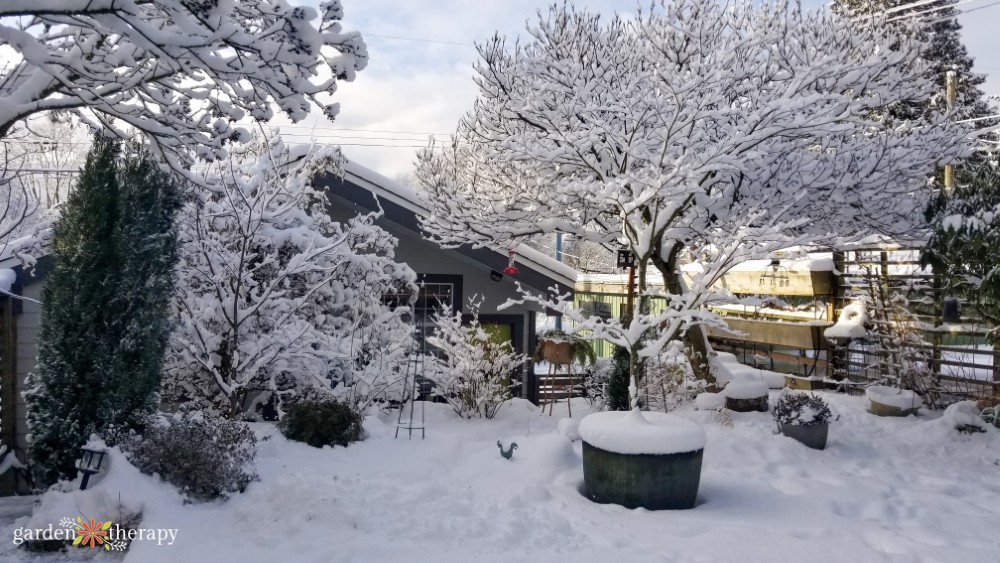
One day you’re sweating while weeding, the next you’re wearing a jacket for the morning chill. When we feel the cold beginning to settle in, it’s a good idea to start prepping your garden for its hibernation. Here’s how to protect plants from frost and snow this coming cold season. Vancouver is a temperate rainforest, meaningmy winters tend to look a little more green than white.But that doesn’t mean we never get snow.
Once or twice during the winter, we’ll get a big snow dump that usually shuts down the city. We can still get our cold snaps. Just last year, we set a record for the coldest January yet. Many people lost shrubs and perennials that had survived many prior winters, as they justweren’t ready to handle those extreme temperatures.
While you can just leave your garden to its own devices for the winter, you may experience some losses once everything thaws come spring.You can avoid the disappointment by taking a few steps to winterize your garden.We’ve got to keep our plant babies safe after all. Here’s how to protect plants from frost and get ready for the winter season! Before the cold really sets in, you can set your plants up for success. Here are a few things to be aware of to prepare a garden for winter.
Mulch is one of the best and easiest ways to winterize a garden and protect plants from freezing.Adding a two-to-four-inch layer of mulch can help protect the roots beneath from freezing.Think of it like a nice cozy blanket for the plants. Add a layer to the base of trees, shrubs, and perennials.Keep the base of the trunk clear to prevent rotting. There are manynatural mulchesyou can use, including fallen leaves and straw. It’s good practice to remove some or all of the mulch in the spring when things begin to warm up.
Most of my plants I leave outside to fend for themselves, but there are a few special plants I like to bring inside or move for the winter. Succulents thrive in warm conditions, but there aresome hardysucculents that actually love a cold period. Many sedums, sempervivum, agave, ice plant, lewisa, and yucca will overwinter inZone 5-6 plus.If I have these planted, I’ll leave them in the ground and clean them up in the spring. If they’re in pots, I’ll move them under cover, such as under a deck.
Any tender succulents should be brought inside. I also bring in some of my moretender herbs. Most of my annuals I’ll say goodbye to and plant again in the spring. The ones that do the best when brought inside includemint,thyme, andoregano.
Others, likebasil, you can take a clipping to propagate and bring indoors. Of course, you may have more tender plants you want to bring inside (a tropical perhaps?).Most plants in pots may need some extra care and protection. To avoid the horror stories of burst pipes and flooded basements, it’s good practice toturn off your outdoor faucets.This can be done bylocating the shut-off valves (usually inside the house) and turning them off, then returning outside and turning the faucets on to drain the remaining water. You should also ensure your hoses and nozzles are properly drained and stored.
And if you have a water feature, such as a fountain or pond,winterize itas well. While this may not be an absolute must, I am giving you an excuse tovisit the garden centre and take advantage of an end-of-season sale.In early to mid-fall, you still have time to plant some perennials. Ideally, you should do thissix weeks before the first hard frost.This gives the plant some time to establish roots and settle in before the winter. Look for shrubs that will provide some winter interest and beauty, such aswitch hazelor cotoneaster.
Findmore inspiration in this post. While most of winter is spent hibernating inside and getting cozy, you may still need to get outside from time to time to check on your plants. If you’ve ever shovelled snow, then you just know how heavy it can be. Imagine the weight on the plants!
When you experience a large snowfall, it’s good practice tobrush off the snow from your shrubs (don’t shake) and lower tree branches to help lessen the weight.Otherwise, you may end up with broken branches or even smothered smaller plants. If you have newer shrubs or trees that may be more vulnerable, you canstake them with wooden or metal supports for the winter.It’s also a good idea toselectively pruneyoung plants to maintain a good and strong structure as they grow older. You can also tie branches together to help them withstand the impact of snow. This works best for young evergreen trees, where you can bundle up the branches and secure them to the trunk.
Vancouver’s solution to snow often comes in the form of road salt, which is a nightmare for gardeners, since it can be toxic to plants. Road salt readily dissolves in snow melt and water, absorbing into the soil. This cancause plants to turn yellow, send out suckers, become more susceptible to pests and diseases, or just die. The salt spray can also hurt the upper part of plants, mainly causing browning and bud dieback, leading to a loss of leaves, flowers, or fruit the following spring.
Use alternatives like sand or fine gravel.More ideas and tipshere on road salt damage. Overall, I don’t worry too much about a frost since it’s part of the gardening experience. I say goodbye to my annuals and trust that my perennials will be just fine. That being said,sometimes extreme cold can be in the forecast, and you may want to provide some extra protectionin addition to themulchyou would have applied in the fall and early winter.
If you canmove potted plants, bring them into the garage, a shed, or somewhere else where they might have protection.You can alsoadd some frost protection, such as row cover or burlap, to give any of the more tender plants more insulation. To get a little bit of garden therapy in during the winter, why notmake some winter-themed planters? I love to use the cold to my advantage and create planters with evergreen boughs that will last for months. Here’s aholiday-themed oneI did, and awinter window box planterthat you can make (even if you don’t have a window box!).
I always like to use inexpensive materials you may already have. A simple sheet or old blanket can be a great frost cover, as can burlap or even cardboard. And don’t forget how valuablenatural mulchcan be! Watering plants before a frost is actually a good practice and can help protect plants from freezing.
Water can absorb and hold heat, helping to keep the soil and roots warmer than the air above. Dry soil and conditions won’t hold the heat as well, and cause the plant to lose water.Even during the winter, your plants need moisture. Snow provides plenty of moisture in the winter, which usually means you don’t have to worry about watering. But if conditions are dry, you may need to water.Check your soil first by placing your finger in the soil to the first knuckle.
If it’s dry, water your plant at the base, avoiding getting the leaves wet. Only water the plant in temperatures of 4°C or higher (40°F). While it may seem contrary, snow and plants are a great pair. Snow primarily consists of air (about 90-95%), making it a great insulator against cold temperatures.
It also helps to prevent temperature fluctuations that can confuse your plant. If you have a sudden cold snap coming, a blanket of snow can help protect your plants against it if it precedes the cold. A city girl who learned to garden and it changed everything. Author, artist, Master Gardener.
Better living through plants.
Design Ideas for Every Space
Small Space Solutions
Maximize limited areas with vertical gardening, container arrangements, and multi-functional design elements.
Low-Maintenance Designs
Create beautiful landscapes that require minimal upkeep using native plants, efficient irrigation, and smart design choices.
Wildlife-Friendly Gardens
Attract beneficial pollinators and wildlife with diverse plantings, water features, and habitat structures.